

Jack Plane No. 4 – 10″/250mm
Features:
-
-
- Ideal for surface finishing and final smoothing
- Ductile cast iron body for superior strength and resistance to impact
- Adjustable frog lets you narrow the blade opening for fine shavings
- Easy depth-of-cut adjustment and lateral blade adjustment
- Solid brass cap iron and threaded fittings for smooth action
- Sole of plane and back of blade are flat to tight tolerances
- Blade and sole are treated with a protective layer of oil
- Minimal setup and tuning required before use
-

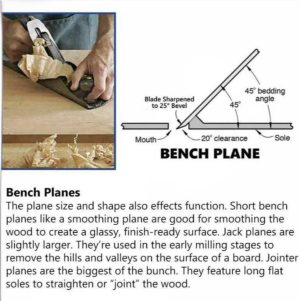
| Cat No. | Model No. | Sole Length | Blade Width | Blade Thickness | Bed Angle | Blade Angle | Blade Bevel | ||
|---|---|---|---|---|---|---|---|---|---|
| GJP-1010 | # 4 | 10" (250mm) | 2" (50mm) | 2mm | 46.5° | 45° | 35° |
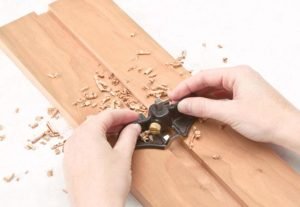
Jack Plane No. 4 or Smoothing plane is an essential hand tool for woodworkers who value precision, control, and a fine finish.
Designed for versatility and ease of use, this plane is perfect for smoothing and refining wooden surfaces, removing high spots, and preparing stock for finishing.
Its compact size makes it particularly effective for smaller projects, detailed work, and achieving a glass-smooth finish on flat or curved surfaces.
Crafted with a robust ductile cast iron body, the No. 4 plane provides excellent durability and stability during use. The finely machined sole ensures consistent contact with the workpiece, reducing chatter and helping achieve precise, even cuts. A precision-ground steel blade offers sharpness and edge retention, allowing the tool to effortlessly slice through hardwoods and softwoods alike. The blade’s depth adjustment mechanism is smooth and responsive, giving users accurate control over shaving thickness for delicate or more aggressive cuts.
Comfort has also been considered in the design. The ergonomically designed hardwood handle and knob provide a firm, natural grip, reducing hand fatigue during extended use. This thoughtful construction allows woodworkers to maintain accuracy and consistency, even on longer projects.
The Smoothing Jack Plane No. 4 is a versatile addition to any workshop, whether you are a professional craftsman or a hobbyist. It excels in bringing rough lumber to a refined state, flattening joints, and producing surfaces ready for finishing. With proper sharpening and care, this tool can last a lifetime and become a trusted companion in your woodworking journey.
If you’re looking for a reliable plane that combines strength, accuracy, and comfort, the No. 4 Smoothing Jack Plane is an indispensable choice. It’s a traditional tool that continues to prove its value in modern woodworking.
Click here to view our other premium range of smoothing planes
| Cat No. | GJP-1010 |
|---|---|
| Model No. | # 4 |
| Sole Length | 10" (250mm) |
| Blade Width | 2" (50mm) |
| Blade Thickness | 2mm |
| Bed Angle | 46.5° |
| Blade Angle | 45° |
| Blade Bevel | 35° |
How to Use
Preparing the Plane:
Ensure that the plane blade (iron) is sharp. Sharpen it using sharpening stones or a honing guide if needed.Check that the blade is correctly installed, with the bevel facing down. Adjust the blade depth to expose a small portion of the blade.
Preparing the Wood
></strong></strong>Place the wood on a stable work surface, such as a workbench or sawhorses. Examine the wood for any imperfections or high spots. Mark them with a pencil so you can target them while planing.
Setting the Plane
Adjust the mouth of the plane. The mouth is the opening in front of the blade. For rough work, keep the mouth open; for finer work, close it up.
Adjust the blade depth by turning the adjustment knob or lever on the back of the plane. Start with a shallow cut and gradually increase it as needed.
Ensure the plane’s sole (bottom) is flat and in contact with the wood.
e=”font-weight: 400;”>Planing Technique
Stand perpendicular to the wood, with your feet shoulder-width apart. Grasp the plane’s handle with one hand and place the other hand on the front knob.
Position the plane at the starting point on the wood.
Apply downward pressure on the front knob and forward pressure on the handle. Push the plane forward in a straight line with the grain of the wood. Use your body weight to help control the plane.
Keep the plane moving smoothly and evenly across the wood. Don’t stop or hesitate in the middle of a pass.
Lift the plane off the wood at the end of the pass, and return it to the starting position.
Overlapping passes slightly with each pass to ensure even material removal.
Continue planing until you achieve the desired surface smoothness and flatness.
Checking Progress
Periodically check your progress by running your hand or a straightedge across the surface. Look for any high spots or imperfections.
Make additional passes as needed to correct any unevenness.
Final Finishing
</strong></strong>If you want a smoother finish, you can switch to a finer plane, like a smoothing plane, and repeat the process with a finer blade setting.
Sand the wood with progressively finer sandpaper grits for an even smoother finish if desired.
Maintenance
Keep the blade sharp by honing it regularly.
Store the plane in a dry place to prevent rust.
Remember that using a jack plane effectively takes practice. Start with scrap wood to refine your technique before working on important projects. As you gain experience, you’ll become more skilled at achieving precise and smooth results.