Woodworking Tools Guide: Planes, Mallets, Chisels & Vices for Importers and Retailers
A practical breakdown of the woodworking tool categories that move fastest for wholesalers, hardware retailers, and specialty carpentry suppliers — with sourcing notes on what separates a durable tool from a disposable one.
In This Guide
Woodworking tools are one of the steadiest-moving categories in any general hardware or specialty carpentry line — they don't chase trends the way power tools do, and a well-made hand plane or mallet can sit on a shelf for years without going obsolete. That stability is exactly why it's worth sourcing them properly rather than treating the category as an afterthought next to power tools. Below is a category-by-category look at what typically sells, paired with sourcing notes for importers building out a woodworking range.
1. Woodworking Planes
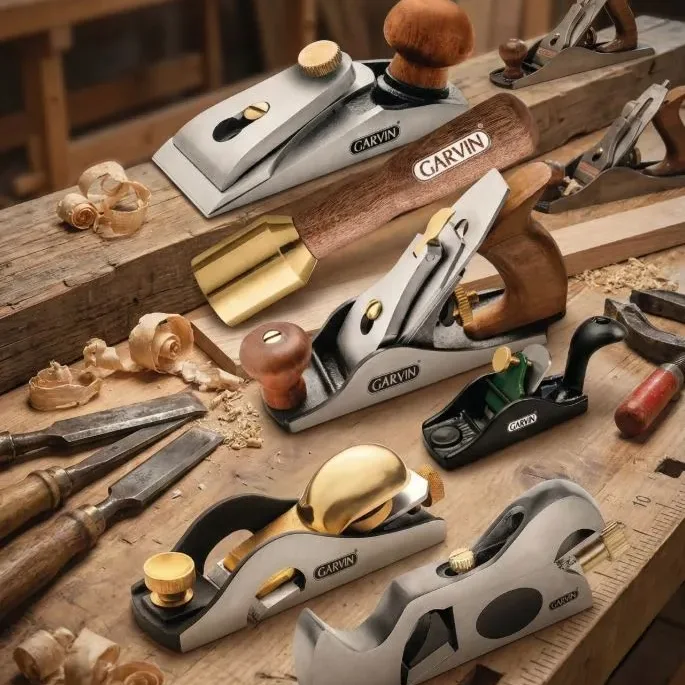
Planes remain the anchor product of any woodworking tool range — they're the tool most closely associated with traditional carpentry, and demand holds steady across DIY, professional joinery, and restoration/heritage-trade buyers alike. The three sub-types worth stocking first:


Also worth listing under this category: Smoothing Planes for final-pass surface finishing, and Chisel Planes for detail work in confined spots a bench plane can't reach.
2. Mallets
Mallets are a small-ticket item that drives disproportionate repeat orders — they wear out or get lost on job sites more often than planes do, which makes them a steady reorder line rather than a one-time stock-up. Two materials cover most demand:

Wooden Mallet — Round Head
Solid beech construction; standard for chisel work and joinery assembly.
View product →
3. Marking & Layout Tools
Every joinery job starts with layout, which makes marking tools a near-automatic add-on sale alongside planes and chisels rather than a category buyers seek out separately.
Adjustable Marking Gauge
For consistent mortise and layout lines across a run of pieces.
View product →The full range also includes marking knives, sliding bevels, and try squares — see the Measuring & Marking Tools subcategory for the complete list.
4. Woodworking Vices
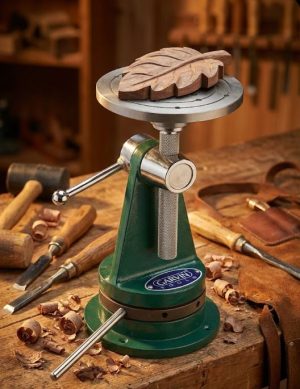
A dedicated woodworking vice is a different tool from a general machinist's vice — softer jaw pressure, wider throat opening, designed to hold timber without marking it. Retailers who stock both often find the woodworking-specific vice outsells the general-purpose one within their carpentry-focused accounts. Browse the full range under Woodworking Vices.
5. Woodworking Sets
Woodworking Kit — 5 Pc
A bundled starter set — the easiest entry point for a new retail account testing the category.
View product →Pre-bundled sets are worth stocking specifically for retailers who aren't ready to commit shelf space to a full individual-SKU woodworking range yet — it's a lower-risk way to test demand before expanding into planes, mallets, and vices as separate lines.
6. Buying Guide: What to Check Before You Source Woodworking Tools
A few sourcing questions worth asking any manufacturer before committing to a woodworking tool order:
- Blade and edge steel grade — planes and chisels live or die by edge retention; ask what steel grade is used and whether it's stated on the spec sheet, not just "high carbon steel."
- Handle material and finish — beech and ash are the standard for mallet heads and plane totes; softer woods split faster under repeated impact.
- MOQ flexibility for mixed-category orders — a buyer testing woodworking alongside an existing hand-tools account usually wants a smaller trial order across several SKUs rather than a large single-SKU commitment.
- Certification and documentation — for buyers in the EU or UK, ask whether products are manufactured to relevant DIN or BS standards, and whether the manufacturer can supply test certificates on request.
Sourcing a Woodworking Tools Range?
Garvin Tools has manufactured woodworking and industrial hand tools in India since 1979, ISO 9001:2015 certified, exporting to 50+ countries. Full category catalog and technical spec sheets available on request.
Request the Woodworking CatalogRelated categories:
FAQ
What are the most commonly stocked woodworking hand tools for retail and wholesale?
Bench planes (especially the Jack Plane No. 4), wooden and rubber mallets, marking gauges, chisels, and woodworking vices make up the core range most hardware retailers and specialty carpentry suppliers stock first, with wood turning tools and carving vices as common category extensions.
What's the difference between a wooden mallet and a rubber mallet in woodworking?
A wooden mallet (typically beech) is used for striking chisels and driving joints with a firm, controlled impact, while a rubber mallet is used for assembly work where a harder material would mark or dent the wood surface.
What should importers check before ordering woodworking tools in bulk?
Key checks include the steel grade used for blades and cutting edges, the handle wood species and finish, minimum order quantities for mixed-SKU trial orders, and whether the manufacturer can provide DIN/BS-referenced spec sheets or test certificates.
Are woodworking planes still in demand given the rise of power tools?
Yes — hand planes remain standard in fine joinery, furniture restoration, and heritage trades where power tools remove too much material too fast for precision work, and they continue to sell steadily through both professional and hobbyist-DIY channels.